
Five Quotes on Evil and the Cross
This past Sunday, we took a second look at John 9 to build “an everyday theology of suffering.” The aim isn’t merely to think rightly, but we want our thinking to be practical and useful in real life. We want the truths of God’s sovereign power and pure goodness to help us endure hardships, comfort the hurting, and lead whole lives before and unto God.
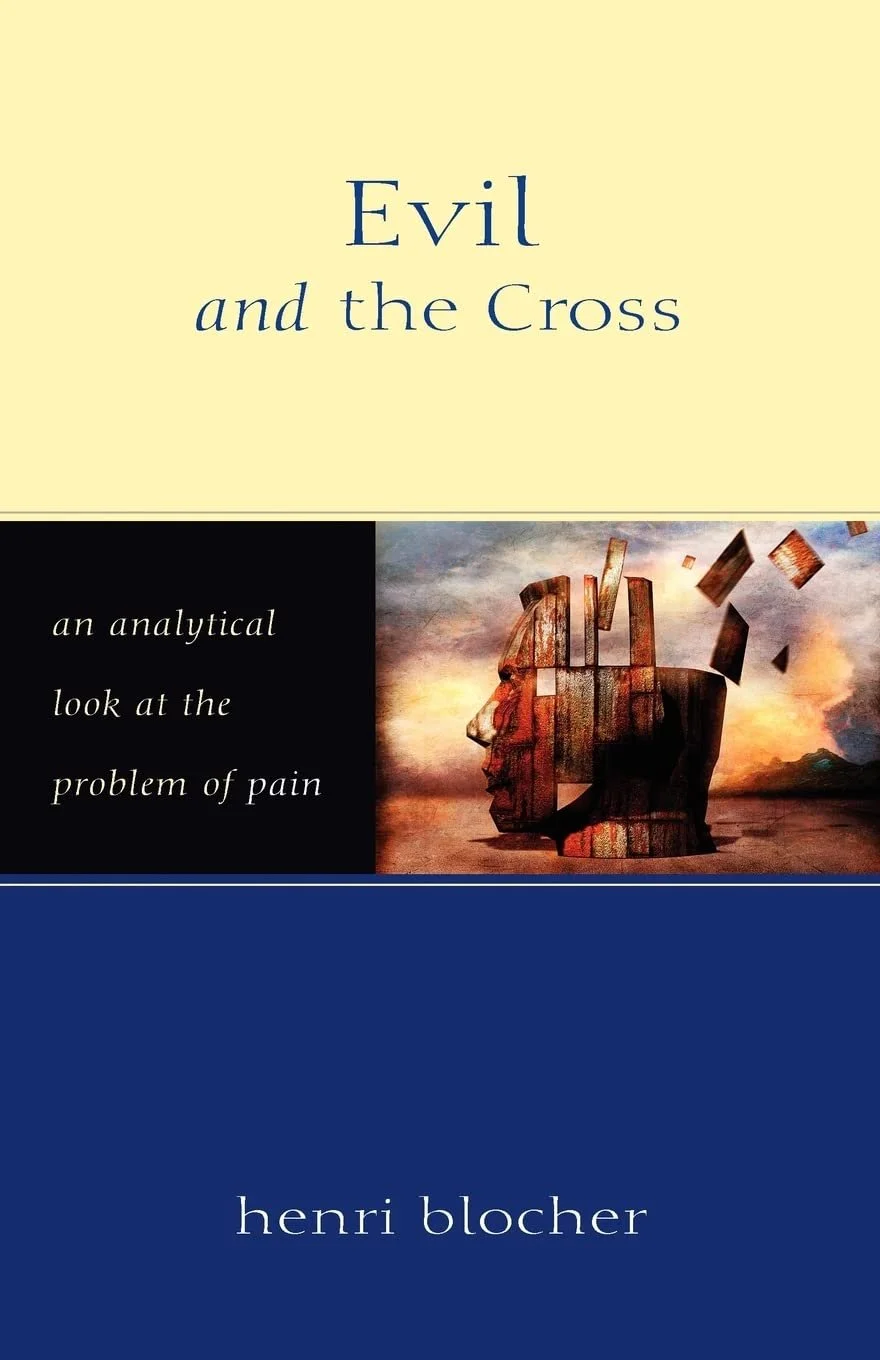
We, of course, don’t accomplish this in one sermon, but in a culture of life together built on the word of God. So there’s more to say, more to read, more to ponder. In that direction, I wanted to share with you some key quotes from Henri Blocher’s book, Evil and the Cross: An Analytical Look at the Problem of Pain. I relied heavily on this book in preparation for the recent sermon, as you’ll see. While I recommend the book, it is analytical and a translation of the original volume written in French (and it reads that way). The following quotes hopefully give you a glimpse into the book’s heart and the biblical truths we embrace.
1. God’s ways are inscrutable
If we think we can take God's freedom under our wing in the name of a preconceived idea of his moral perfection, then we are treating the mystery of God astonishingly lightly. Such a procedure must be exposed for what it is. The attitude of believers in both Old and New Testaments is to feel themselves as dust and ashes before him, to bow beneath his mighty arm and to adore him whose ways are inscrutable. (21)
2. Evil remains evil
As for spiritual and moral evil, it is one thing to say that God is capable of bringing forth good from it once it is there; it is quite another to conclude that God permitted it with a view to that good. One passes from the sense of wonderment before the News of the utterly unexpected, victorious wisdom of God, to the possession of a 'reason' which makes us understand the decree of God. Never does Scripture take that step across what is a qualitative chasm. No biblical text, interpreted strictly, states that God changes evil into good. (33)
3. God is truly good
… we accept as biblical the proposition that God is never the author of evil, that he does not directly cause it, nor does he bring it forth from himself. Evil is defined by its opposition to God and its utter dissimilarity to him; God shows no compliance whatsoever with evil. (59) …
When evil is already present, if God makes use of that hostile reality as an opportunity to act, and even as a means to punish and to warn, the fact in no measure lessens the malignity of evil, and in no way allows for any insinuation that God might be its accomplice. Rather, it is the victory of God over evil that is proclaimed. 89
4. God is utterly sovereign
Nowhere does Scripture suggest that God suspends the exercise of his sovereign power in respect of the slightest occurrence in the world. He ‘who works out everything in conformity with the purpose of his will’ (Ephesians 1:11), not only ‘works... both to will and to act’ (Philippians 2:13) in those who obey him, but goes so far as to include in his plan even the wicked acts of those who transgress his preceptive will. (61) …
The Creator is not content simply to determine times and allot places (Acts 17:26); everything that happens depends on his will. It is God who makes the sun shine for everyone, and who gives forth or withholds the rain (it has been pointed out that in the Old Testament ‘God is raining’ has replaced 'it is raining’); it is God who clothes the grass of the field and who feeds the birds of the air, just as the lion cubs look to him for their food, as do all the animals in the vast oceans. It is God Most High who holds dominion, who makes and unmakes kings, who raises up and thrusts down, who kills and makes alive, who opens and closes the womb. The list of familiar phrases from Scripture could be extended with no difficulty. (91)
5. The cross of Christ is the answer
Because of the cross we shall praise his goodness, the goodness of his justice, the goodness of his grace, through all eternity. At the cross, God turned evil against evil and brought about the practical solution to the problem. He has made atonement for sins, he has conquered death, he has triumphed over the devil. He has laid the foundation for hope. (104) …
We have no other position than at the foot of the cross. After we have been there we are given the answer of the wisdom of God, which incenses the advocates of optimistic theodicies or of tragic philosophies. God’s answer is evil turned back upon itself, conquered by the ultimate degree of love in the fulfillment of justice. This answer consoles us and summons us. It allows us to wait for the coming of the crucified conqueror. He will wipe away the tears from every face, soon. (133)